

National Birds

The National Birds of Guyana

Scarlet Ibis
The Scarlet Ibis (Eudocimus ruber) is the National Bird of Guyana, just as it is for Trinidad. This vibrant and striking bird is found across the northern regions of South America, including Guyana, Brazil, Colombia, Venezuela, and Trinidad. Known for its brilliant red plumage, the scarlet ibis is a captivating symbol of the country’s natural beauty.
Juvenile scarlet ibises, however, don’t begin life with the signature red feathers. Instead, they start off with a mix of grey, brown, and white feathers. Over time, as they feed on red crustaceans and other food rich in pigments, they gradually develop the intense red coloration that adults are known for. This transformation takes a few years to fully complete.
Typically ranging between 55–63 centimeters (22–25 inches) in length, scarlet ibises are relatively medium-sized birds. Males are slightly larger than females. They also have long, slender bills measuring about 7–8 inches, which they use to probe the mud for food, primarily consisting of crustaceans, mollusks, and other small invertebrates.
In Guyana, the scarlet ibis can be commonly found in regions with wetland habitats, particularly along the Essequibo River and the Corentyne River, as well as other coastal and swampy areas. Their presence in these ecosystems is an important part of the country’s natural environment.
The scarlet ibis is legally protected in Guyana, with strict regulations against hunting or harming the species. Despite these protections, some illegal hunting activities still persist, which threaten their populations. However, the bird continues to thrive as an iconic symbol of Guyana’s natural heritage and has a place in Guyanese culture and national identity, even appearing on the national coat of arms.
The presence of the scarlet ibis in Guyana’s landscape not only contributes to the country’s rich biodiversity but also draws visitors and birdwatchers from around the world, who come to witness the beauty of this majestic bird in its natural habitat.
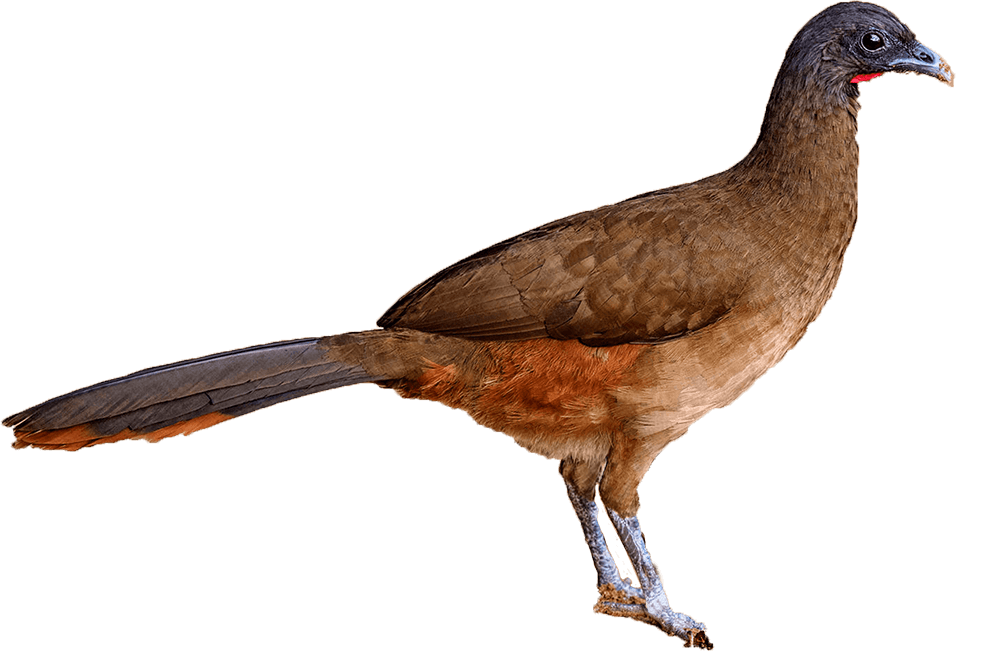
Cocrico
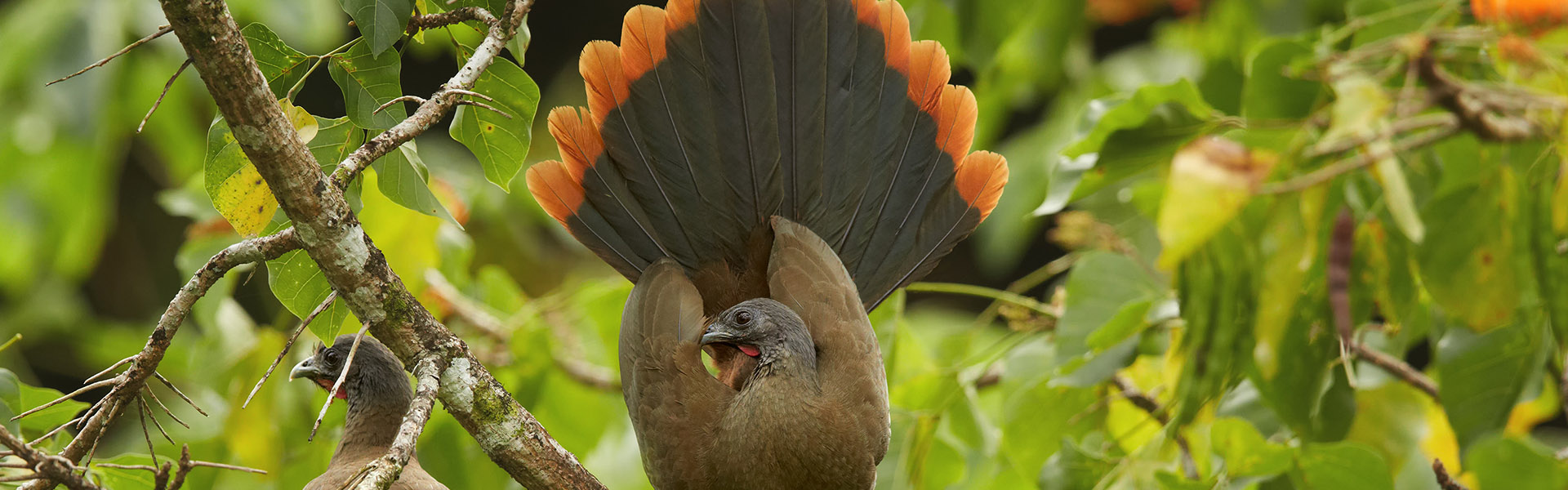
The Cocrico (Rupicola rupicola) is the National Bird of Guyana‘s sister island, Tobago, and is also an important symbol of the broader Caribbean region. Known locally as the Tobago Pheasant, the Cocrico is a member of the Cracidae family, an ancient and unique group of birds that also includes the mound-builders of Australasia.
The Cocrico is a striking bird with rufous-vented plumage, a combination of brown and reddish hues, which helps it blend into the forested environments of Tobago. This bird is often described as resembling a smaller version of North American turkeys due to its robust build and vibrant colors.
The Cocrico is highly social and travels in family groups, foraging for food together. It is most famous for its distinctive call, which can be heard at dawn and dusk. The male Cocrico initiates the call, and the female responds, creating a beautiful symphony of sound that marks the start and end of the day. Their communication is highly synchronized, adding to their charm.
Males are generally slightly larger than the females, and they are often seen in the forest’s dense undergrowth, where they search for seeds, fruits, and small insects.
The Cocrico is highly regarded not only in Tobago but also in the broader Caribbean for its beauty, and it is a symbol of Guyana’s sister island’s natural diversity and cultural significance. While the Cocrico is a protected species, it remains an important part of the ecosystem, helping to maintain a balanced environment through its foraging activities.